
P1B October Newsletter
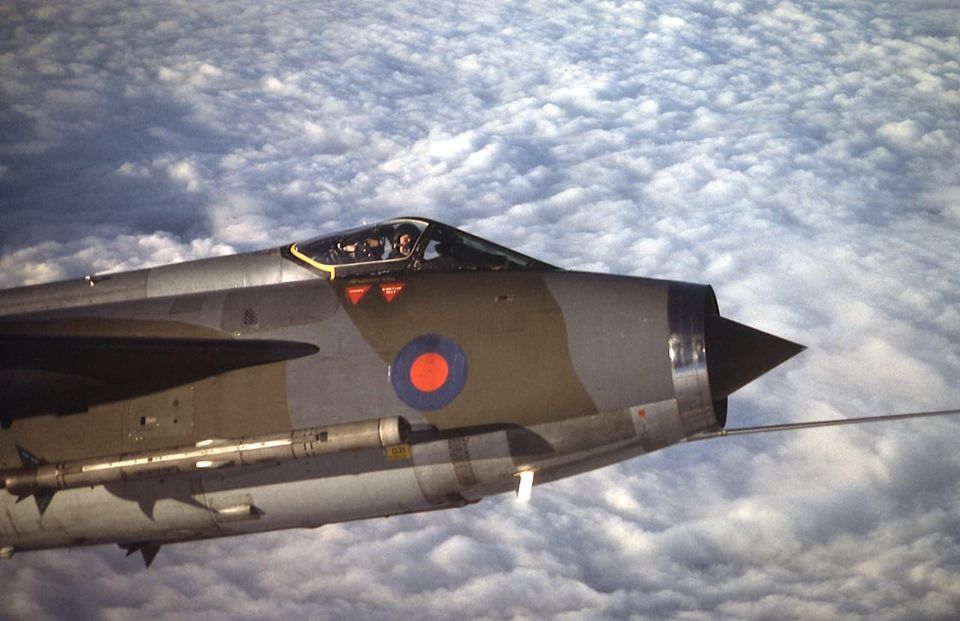
Building a Lightning and Living to Tell the Tale
Welcome!
Before we get into all things pointy, I just want to make it absolutely clear that my friendship with Russell Brand is over. Crikey, no one saw that coming, did they!
So, this newsletter... I was going to say this month, but I forgot that some clever little person thought it would be a good idea to do two updates a month, and all for less than a fiver! 🤗
Building a Lightning
First up, the most obscure topic I could find... building a Lightning!
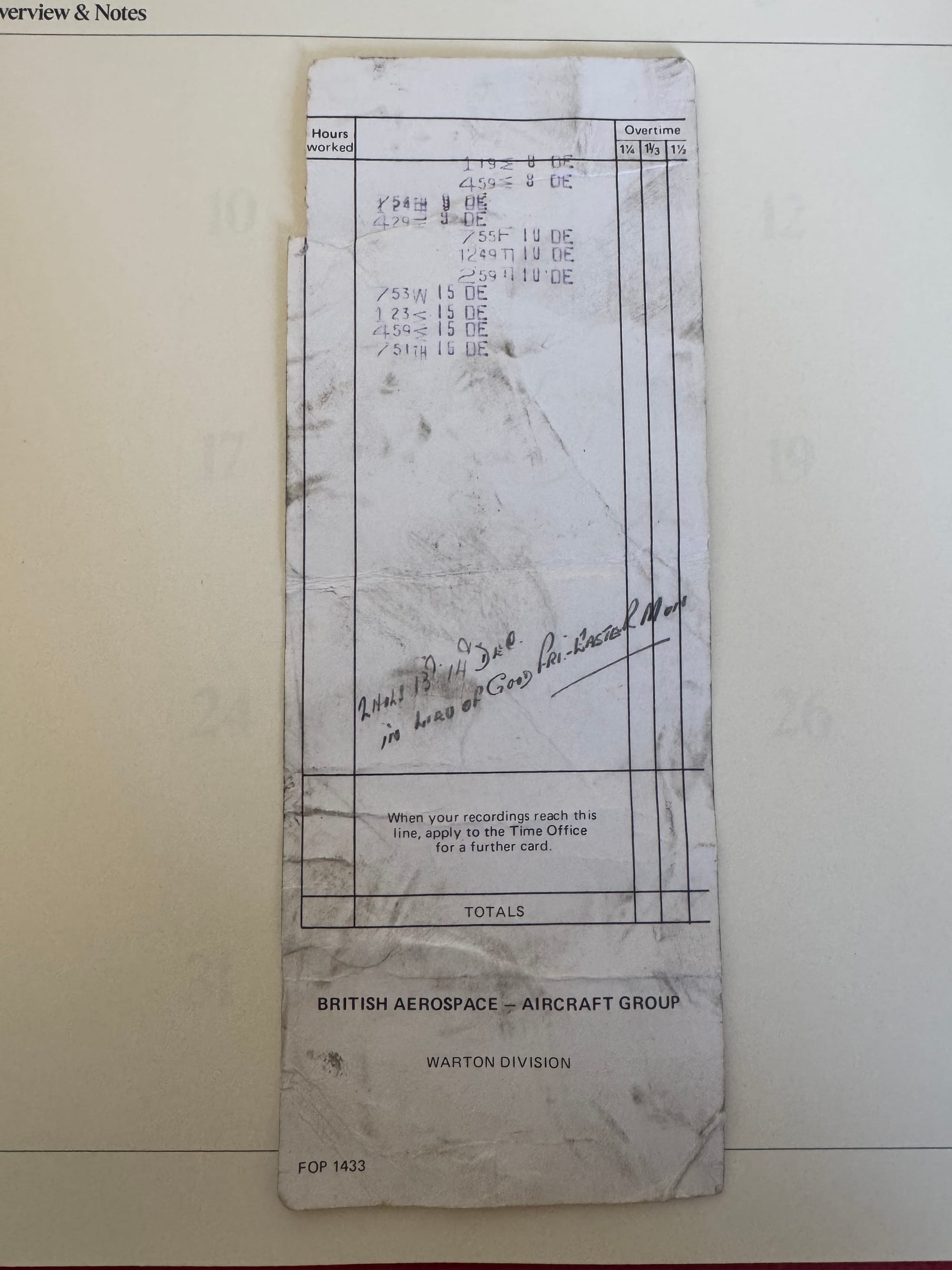
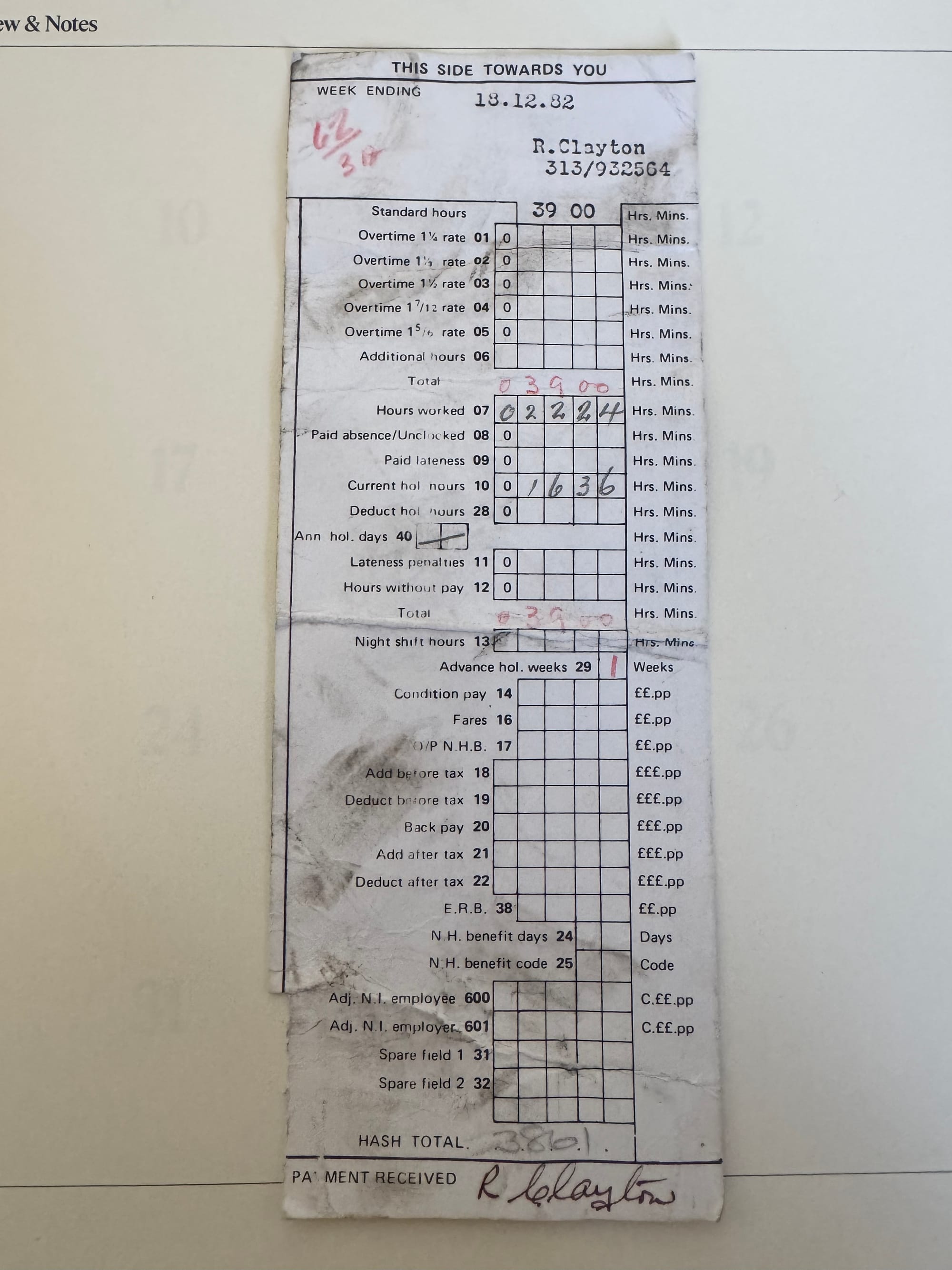
Whilst working for Lord Leahy, I found a cardboard box in a crate. Being a little inquisitive, I opened the box and inside found a brand-new Lightning nose wheel door, and with it, a piece of aviation history: a tradesman's log card.
Nice, I hear you say... or not. But for the select few who are on medication like myself, it tells a unique story.
So step back into Dr Who's TARDIS and transport yourselves back to the week of 16th December 1982.
Who was No. 1? Well, in the USA it was Hall and Oates with Maneater, a great tune, whilst in the UK we had Renée and Renato... help!

And luckily for us, he put his work card, or ticket, in the box. Don't Google Derek and Clive getting your ticket stamped.
What was he making, you ask?
Well, it took him 39 hours to build a brand-new nose wheel door, the little one that goes at the front.
Sadly, we don't have his pay cheque, but the average wage in 1982 was £150 a week, or £30 a day. Hard to believe that women got £98 a week on average. Well done for burning your bras! Good to see we don't have any of that inequality nonsense any more.

So, with a little bit of amateur maths, it probably cost British Aerospace a few hundred pounds to make the door, and that was one of hundreds of parts still being made to repair Lightnings.
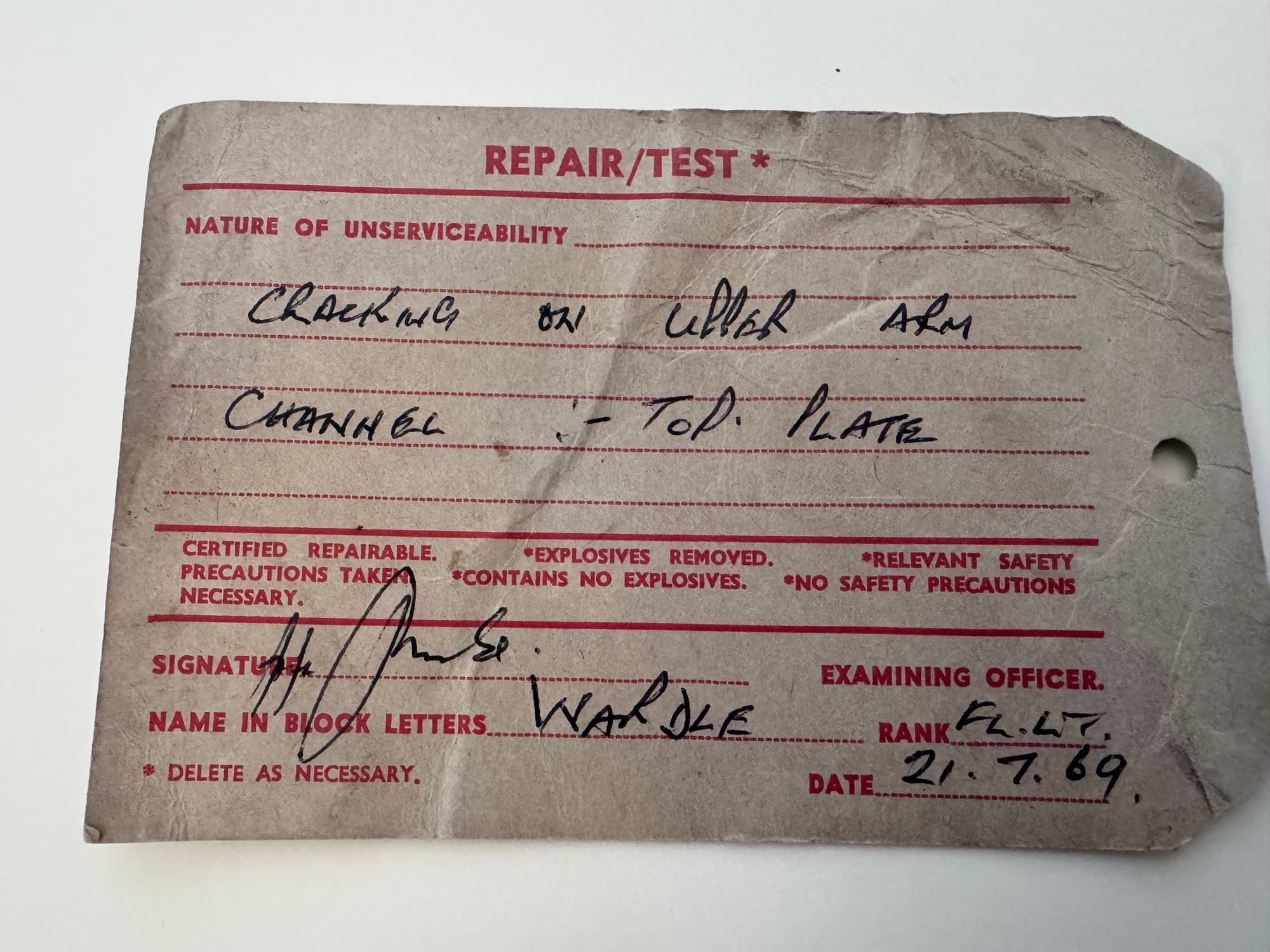
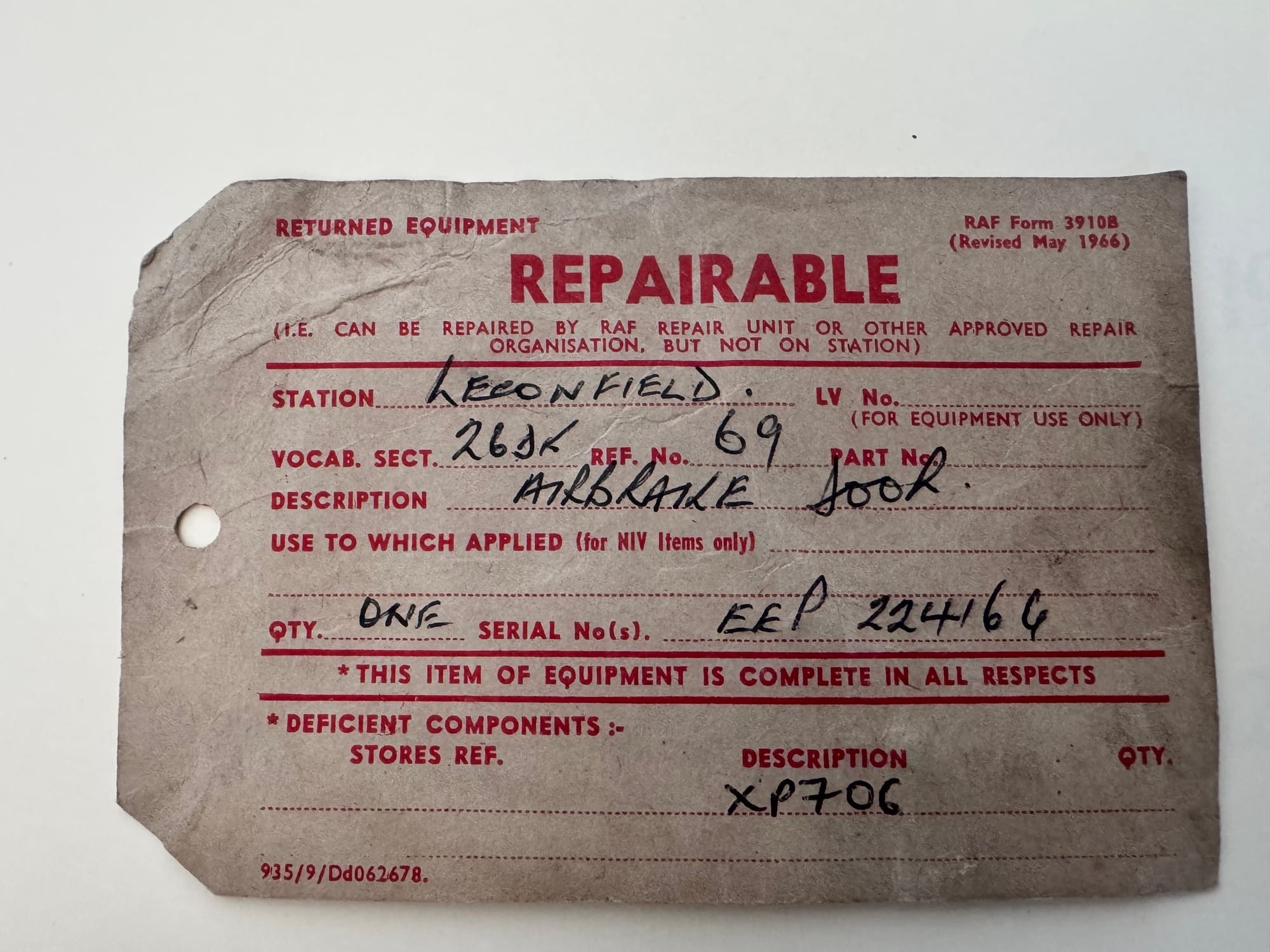
Another little bit of memorabilia in the box was a brown card showing the repair to a Lightning airbrake from XP706 in July 1969 at RAF Leconfield.
And the point I'm making is that operating a fleet of Lightnings required a huge amount of support. Factory support, second-line units and front-line units, with everything recorded on little bits of paper or card.
Now all done on Excel spreadsheets!
The Boys in the Back Room
So, once a Lightning was built, what happened?