
PART I - KNIFE FIGHT IN A PHONE BOX
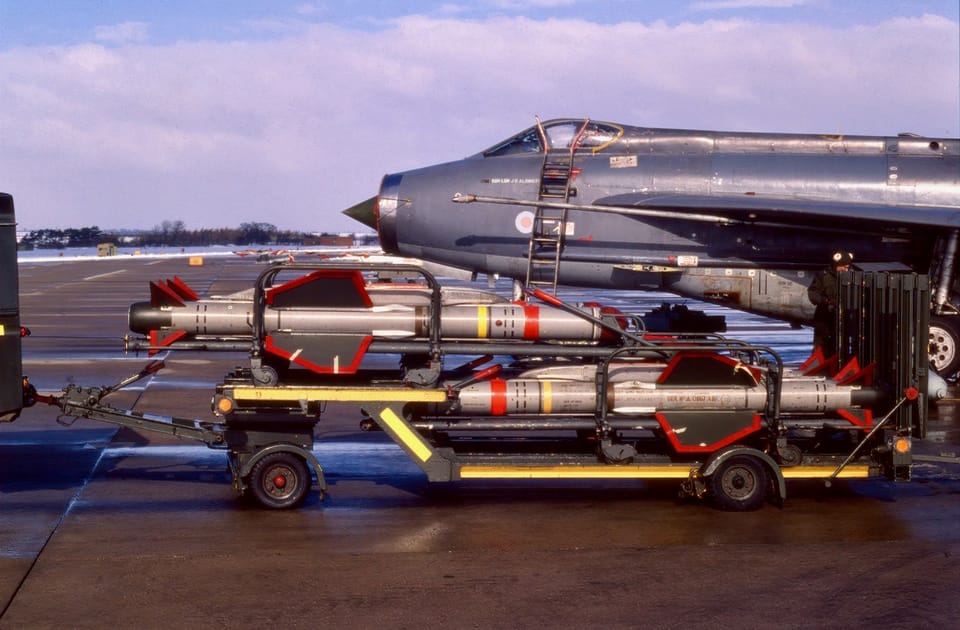
Fighting Falcon style
A very wise old fighter pilot once gave me a very good tip - not £5 but some advice on the art of Air Combat. Don’t screw up and know when to exit a fight..!
In the real world Air Combat normally starts with your opponent 50 + miles away and you have a bit of a cat and mouse game to try and kill them outside of visual range. It's called BVR - which sounds like a 70’s sports car but is really an acronym for Beyond Visual Range where you rather un sportingly kill him long before you see the whites of his eyes.
What you really don’t want to do - unless you are a single seat gifted Lightning pilot with a porn star moustache (we all had them) is get into a visual fight. Why? well put quite simply because you might lose! and secondly he might be a better pilot than you (unlikely) or he might have a superior fighter than you -> likely.
But you always need to prepare for the worst case scenario and that means a visual fight. In training, air combat means that you want to start off in visual range with your opponent and then move apart - (often known as a playtex - named after a well know brand of ladies under garments) where you lift and separate and then do visual combat - have I used the word visual enough ?!
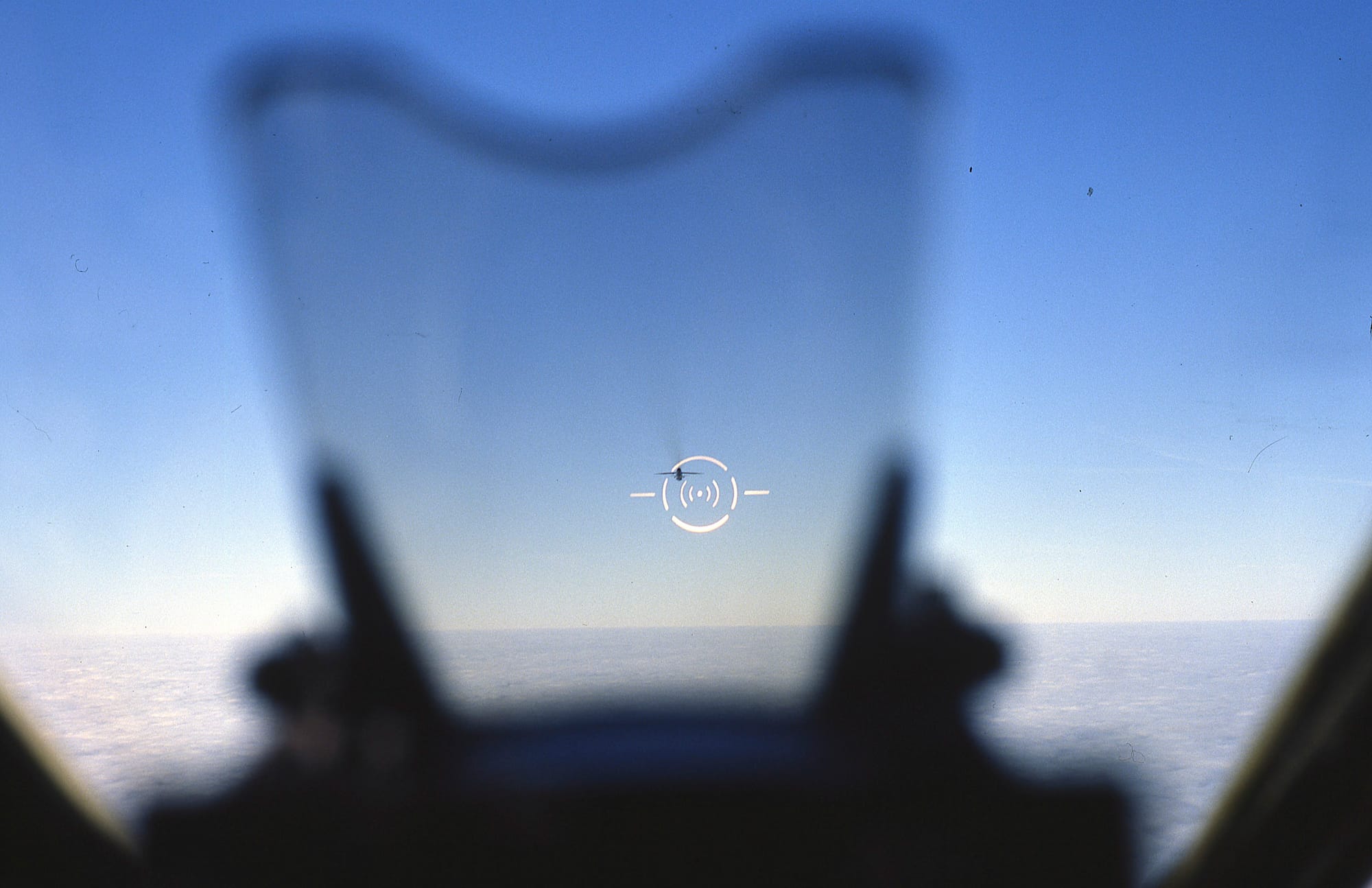
Now a Lightning is 17m long or 55 feet and you can see a Lightning from around 5-8 miles away so generally we start 5 miles apart.
As you point towards each other the leader calls - “Inwards Turn for Combat"
Now this is peacetime and we all stick by the rules- except nobody ever won in air combat by being nice and sticking to the rules!
So remembering my old fighter pilot, his other top tip was when you go beak to beak with the bad guy get as close as you can and scare the life out of him! and he added if you have a hook (arrestor hook) put that down just to un nerve him and make him think you're bat shit crazy !
As explained the 500 foot bubble is a pretty rigid rule and if you go inside it that's a big no-no. So my wily old fighter pilots advice of go as close as you dare till you see the whites of his gloves was probably good advice in war time but frowned upon in peace time. One of the issues being if your opponent is a sly old fox and he’s thinking the 500 foot bubble is for hairdressers then you could be in for a nasty shock so we did tend to not break this golden rule… much.
Now I know when you are reading this you are thinking about Top Gun and all the briefing clips… Gentlemen today the hard deck is 5000 feet etc. etc. Well the Hard deck is a soft deck that becomes hard when you go through it.. make sense ?

Normally we do air combat over the sea so if we do hit each other the falling bits of white hot metal fall harmlessly into the 'ogg splash' unless you are the world's unluckiest fisherman!
What we really don’t want to do is air combat over a built up area - for obvious reasons and what we always have is a hard deck and thats a height we don’t go below - lets say 10,000 feet.
There are lots of reasons why we don’t combat below 10,000 feet and it's all down to safety. Air combat is very dynamic and there is a good chance of nasty things happening like losing control - bits falling off your jet or getting into a spin. 10,000 feet at least gives you time to try and recover or eject with a margin of safety.
Back to the story...

There are two types of Combat - pure Air Combat meaning Lightning vs Lightning or DACT - Dissimilar Air Combat meaning Lightning vs another fighter type.
First off like for like is good for building up confidence in aircraft handling.
The Lightning has a 6G airframe limit so you need to be able to know how hard to pull and not exceed that limit.
If you fight like vs like its pretty easy as you know your opponents aircraft- you both have the same amount of fuel and weapons and you know how the aircraft performs so its really down to pilot skill who wins.
On a Lightning squadron we had ball park figure around 12-15 pilots and 12 aircraft.
If you think, you have the Boss - (nice chap but doesn’t fly much so an easy kill) then you have two Flight Commanders - (one of which is probably good at Combat), then a couple of pilots who do check rides - (easy kills) and finally the gash shags - ordinary squadron pilots.
These are the guys you have to beat because there is an unwritten pecking order of who’s good at "Doggers" - slang for Dog Fighting (not hanging around a dark council car park just off the A41 every other other Tuesday - allegedly 😜 too specific?!)
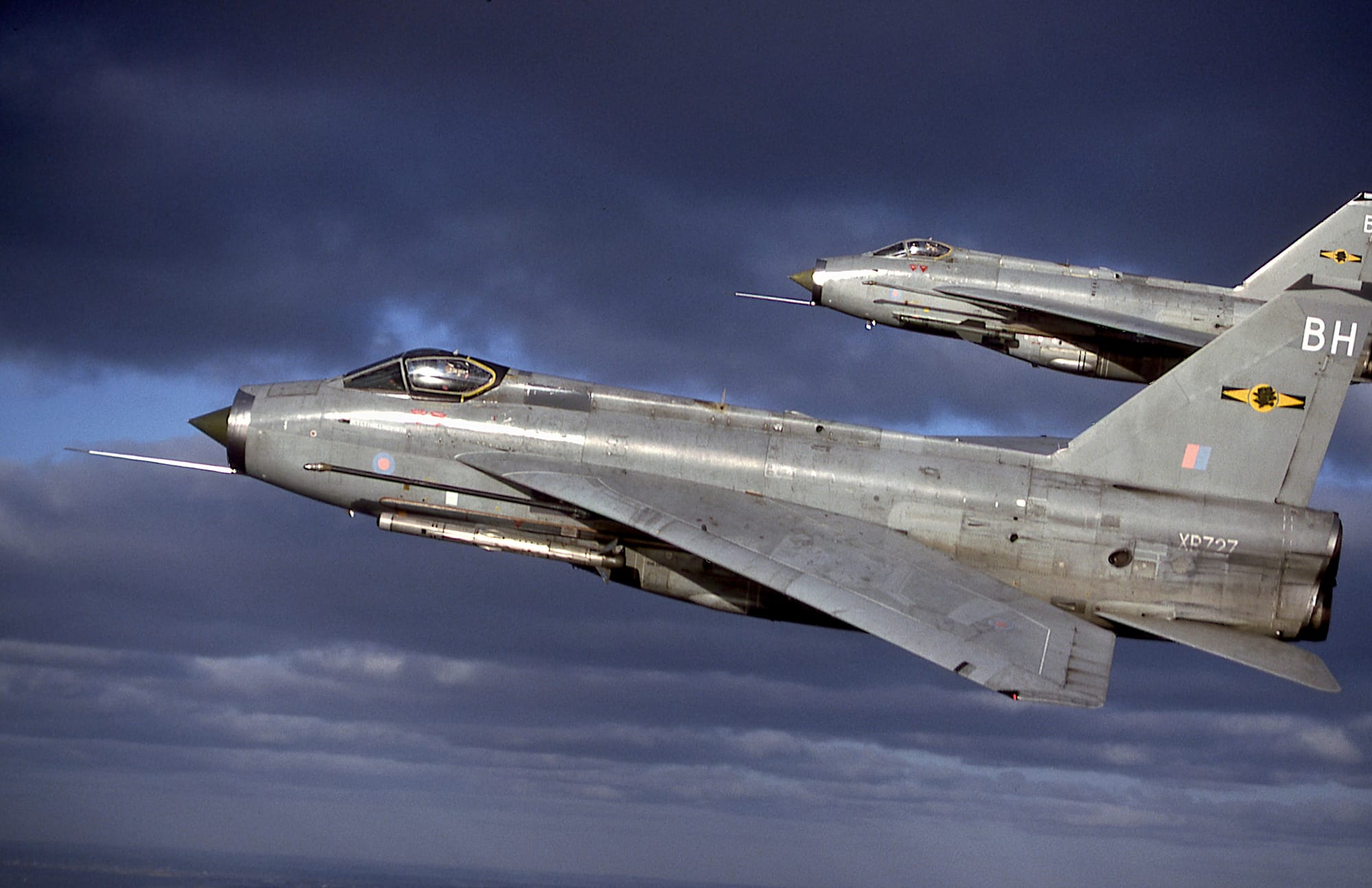
Now, some fighter pilots are gifted at slow speed handling - and others are good at the 3D tactics but the ones who can do both are the masters of the air.
You see, Air Combat is better than sex - seriously... well it’s close...
That means no looking in at gauges and dials you need to have your head out of the cockpit so to speak and just getting that tactile feel of how the jet is performing - in the words of the Pointer Sisters - “I need a man with a slow hand”.
Now, the Lightning is very tactile in fact the most amazing aircraft I ever flew for giving you that man - machine interface or mechanical feed back.
And it all comes down to your senses.
In the cockpit the Lightning possess a perfect balance of pilot and Jet Fighter- and i’ll try and explain why.
So you pretty much knew how fast you were flying simply by the noise - below 180 knots in combat it all went pretty quiet and at 600 kts it was like sitting on the back of a rather angry lion who was miffed that his wife was not playing ball.
So that covers noise next up touch and feel.. stick with me.
Add to this buffet - (that’s not an all you can eat buffet) but the amount of turbulence that comes off the wings.
In a straight wing aircraft as you get near a stall you feel a buffet or burble in the stick and then as you stall you drop a wing and then either, unload, add power and recover, or flick, spin and then crash in that order - it's that simple.
The Lightning is different though as the wings are swept at 68 degrees and you are in buffet a lot of the time and if you are ham fisted you will keep buffeting then stall and now your in a whole world of pain. Unlike the straight wing aircraft the highly swept wing aircraft masks a lot of the pre stall characteristics.
So the trick is to “nibble the buffet” and only pull into the deep buffet if you have to squeeze off that shot and kill the enemy.
Just for completeness, being in the light buffet is fine as you can ease forward on the stick, add power, unload the wing and build your speed or energy back up easily - Once you get in the deep buffet zone you end up either running out of power and losing lift or stalling and spinning so it's not a great idea.
So by now hopefully you can see the Lightning is a very tactile aircraft and can be flown skilfully with a bit of experience just by the seat of your pants.
There are a couple of little add on’s.
The Lightning has enormous thrust so you can use that to go up very quickly and down even faster!
But what it doesn’t have are big tail planes so you really don’t want to bury the nose - a fighter pilot term (honestly) for when the nose of your aircraft is well below the horizon.
Bury it too deep and you won’t be able to get it back up again as the tailplane isn’t big enough and you will just keep pulling and losing speed or energy.
By now you should be getting the jist that this Air Combat lark is big boys stuff. When you go through training you never really fly an aircraft to its limits in a three dimensional way. Yes you can do aerobatics , max rate turns and high G stuff but air combat is putting all these tricks together whilst not looking in the cockpit and trying to kill or be killed.
It's what you are paid to do at the end of the day.
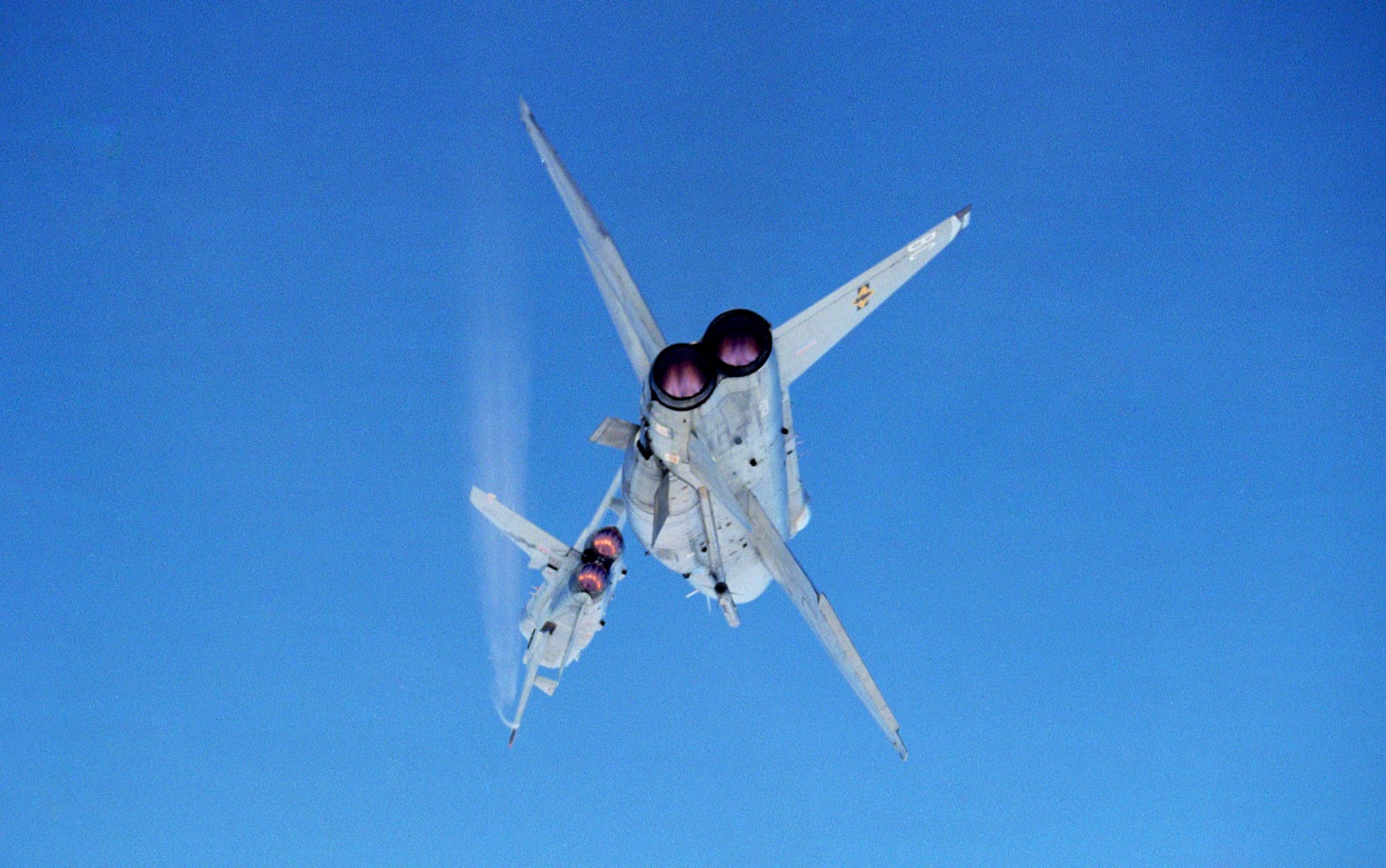
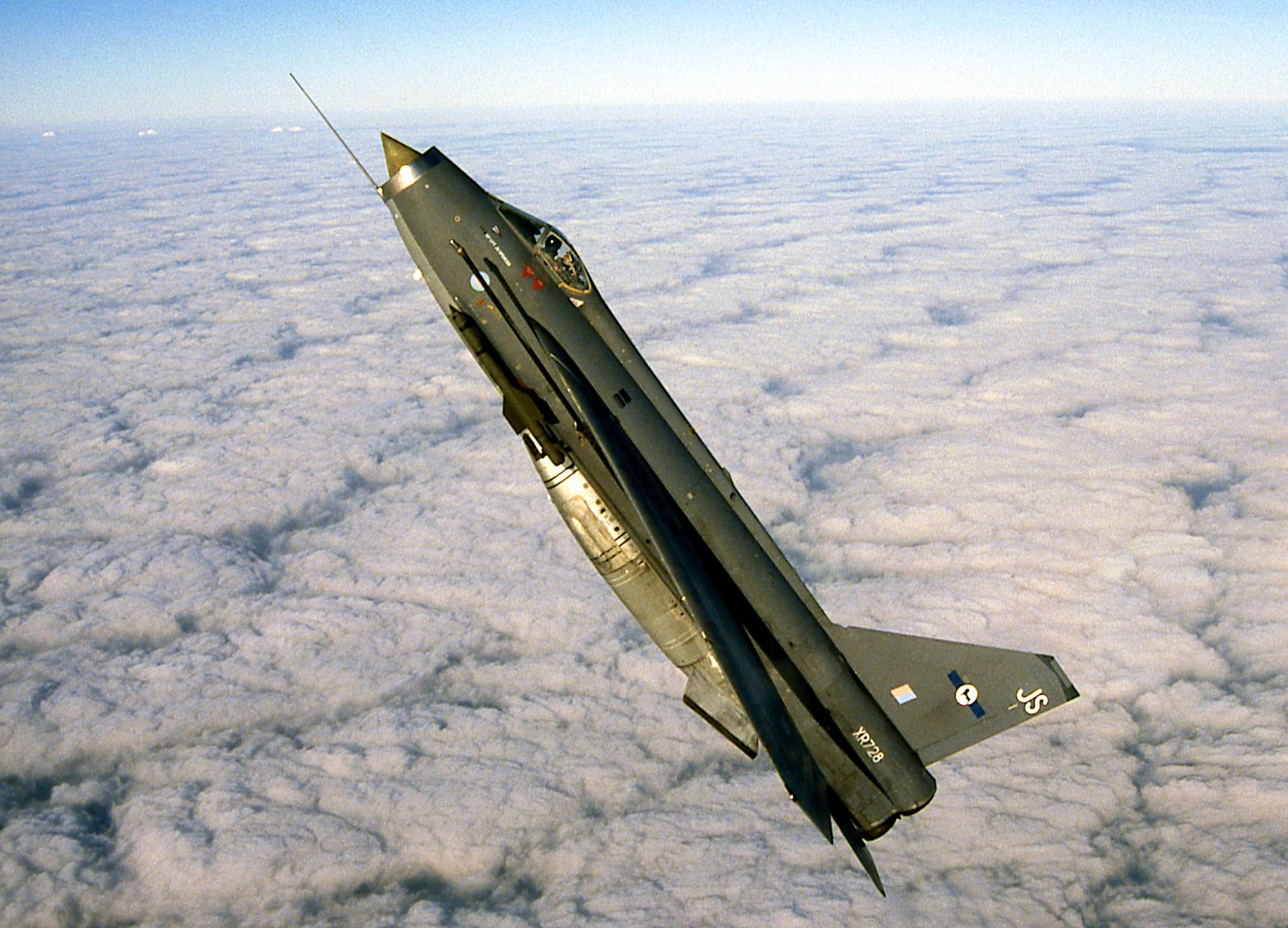
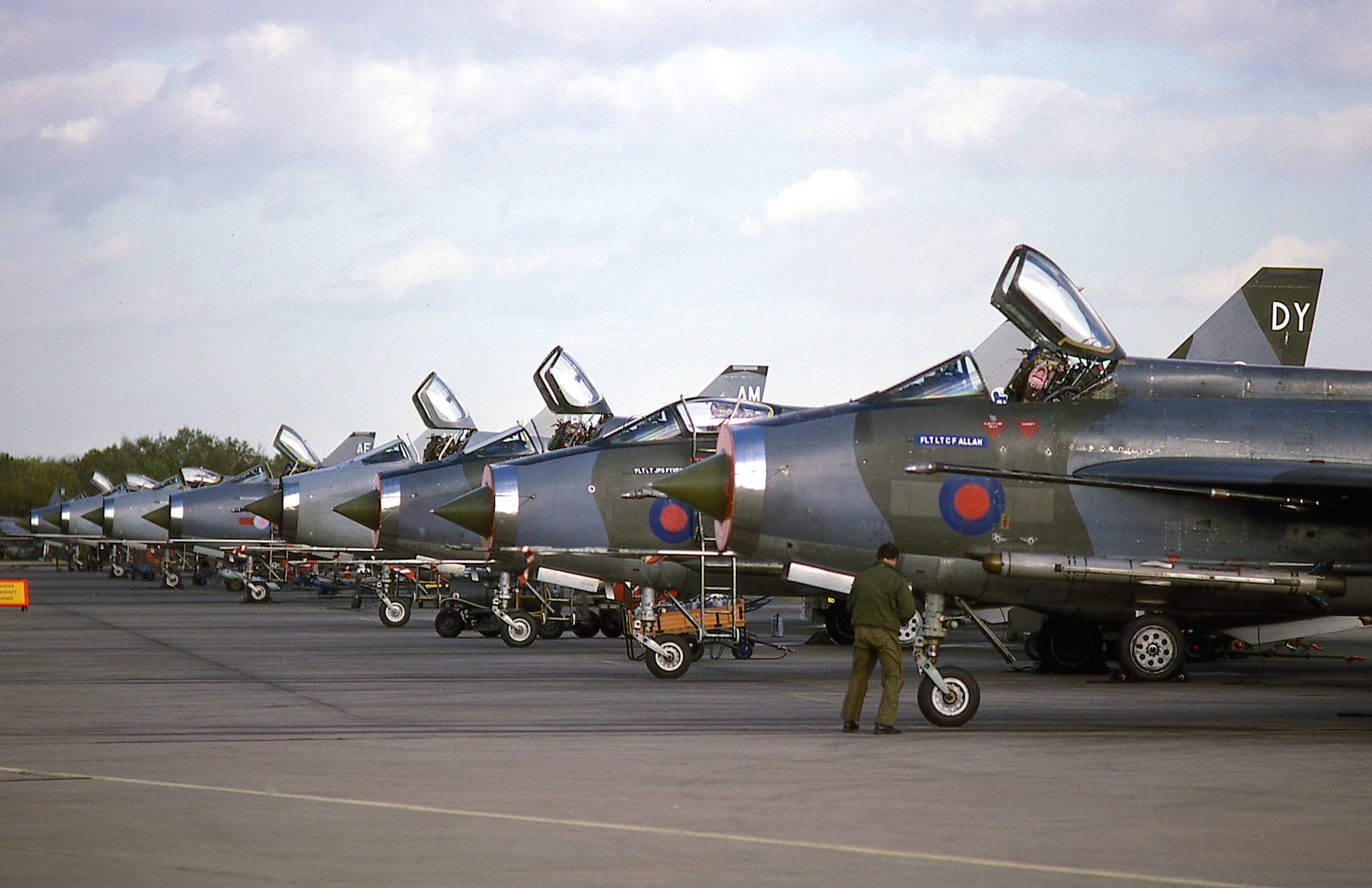
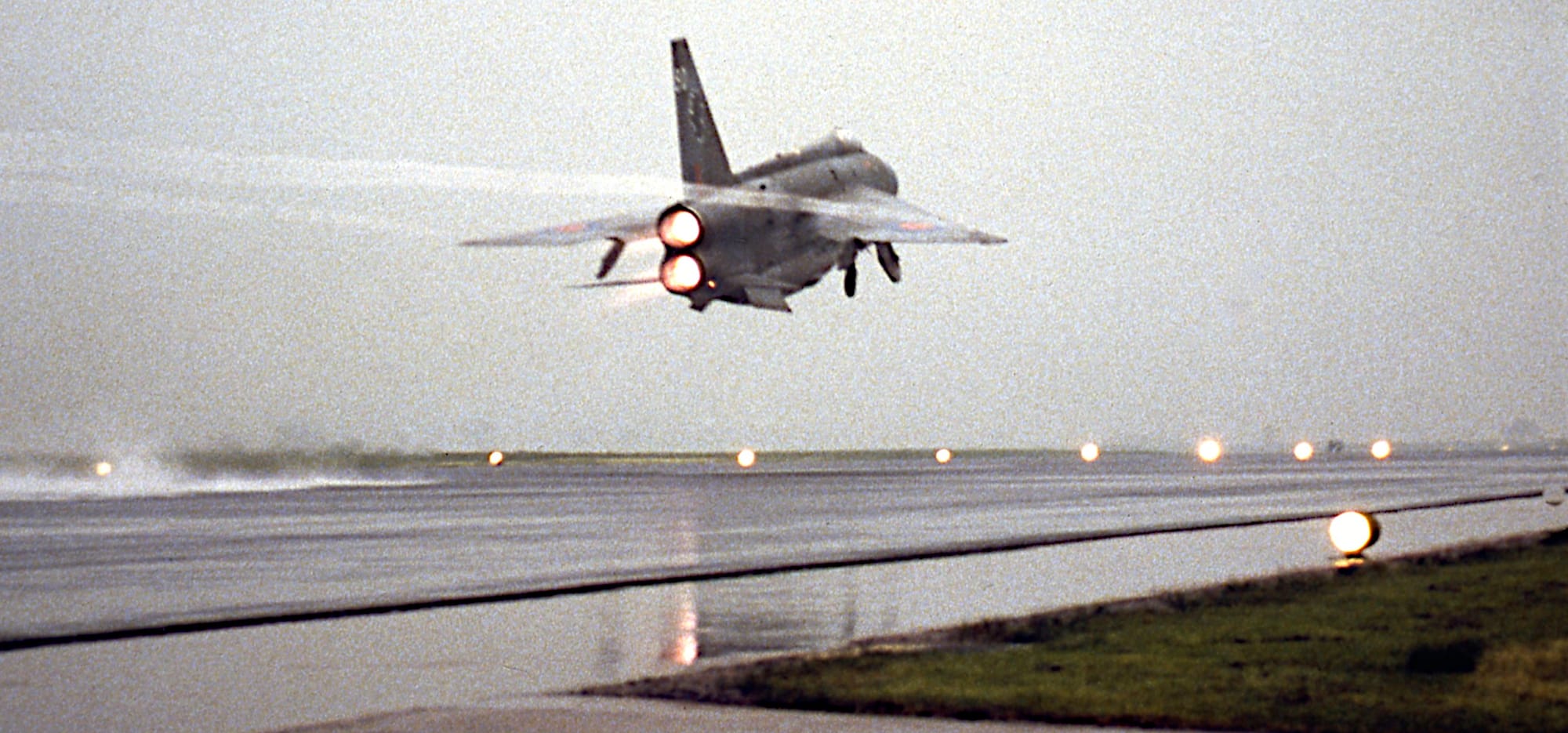
If ever you have watched a fighter jet do an aerobatic display at an airshow then the pilot is wringing every ounce of performance out of his jet that he can. Air combat is no different except you are doing it in a small bubble with 1 or many other aircraft all doing the same thing!
Most fighter pilots have their own little set habits, where they feel comfortable in airframe handling.
Some pilots are the masters at flying slowly - others like pulling lots of G others like the tactics side - mine was always to fake a turn at the merge stay out of reheat until the beak to beak pass then engage reheat and do a firm pull to 4-5G and get as high as I could.
My game plan being that I wouldn’t use too much fuel pre merge and then I could get higher than my opponent and get an instant advantage - never failed .. unless of course he did the same as me - then I employed my secret tactic which remains classified to this day...
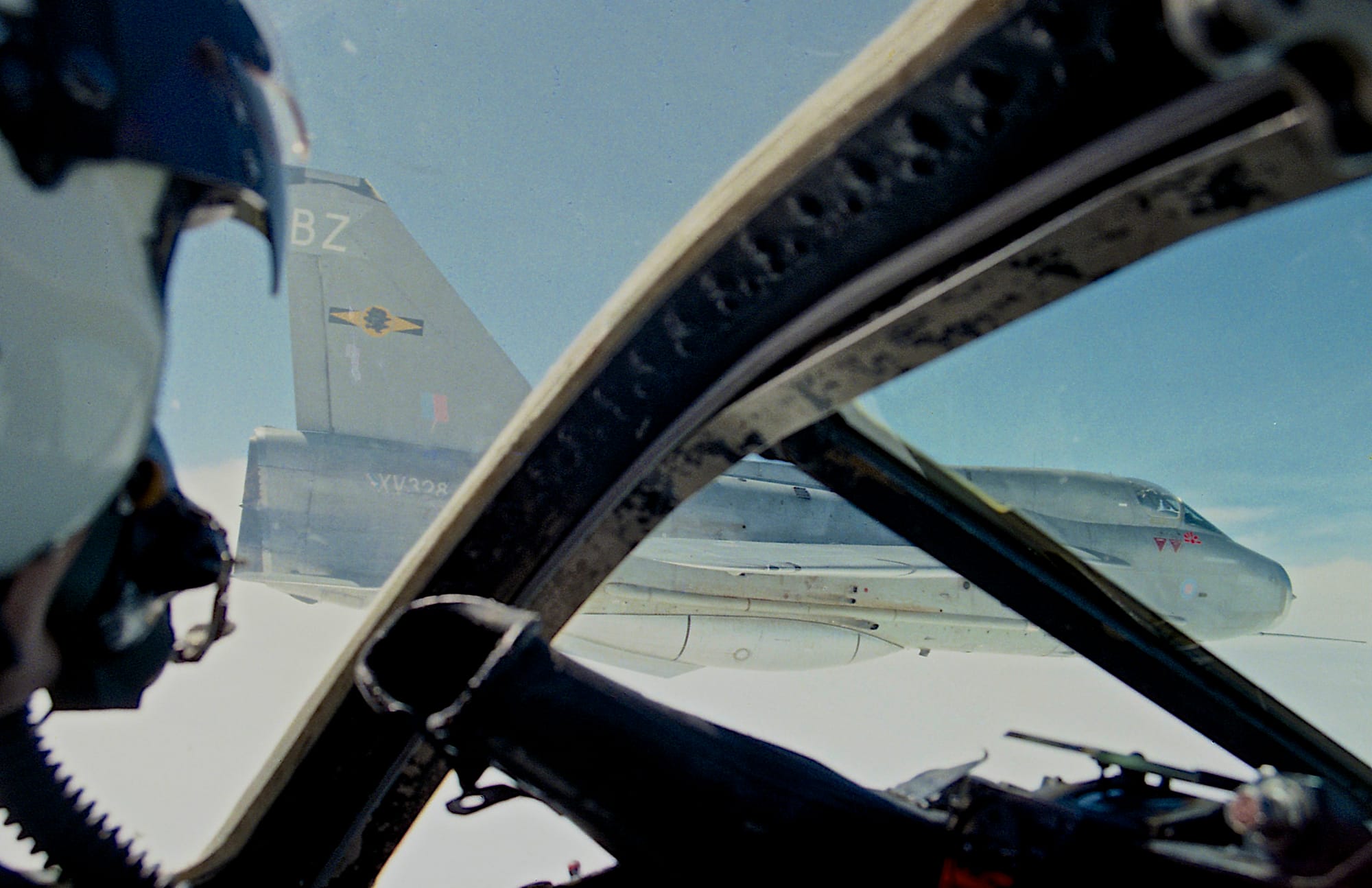
Next time in part II : we stop shadowboxing and step into the ring - Lightning versus Phantom, Lightning versus F-16, and why “knife fight in a phone box” isn’t just a phrase.
Stay tuned!
Member discussion