
Uncontrolled Killing
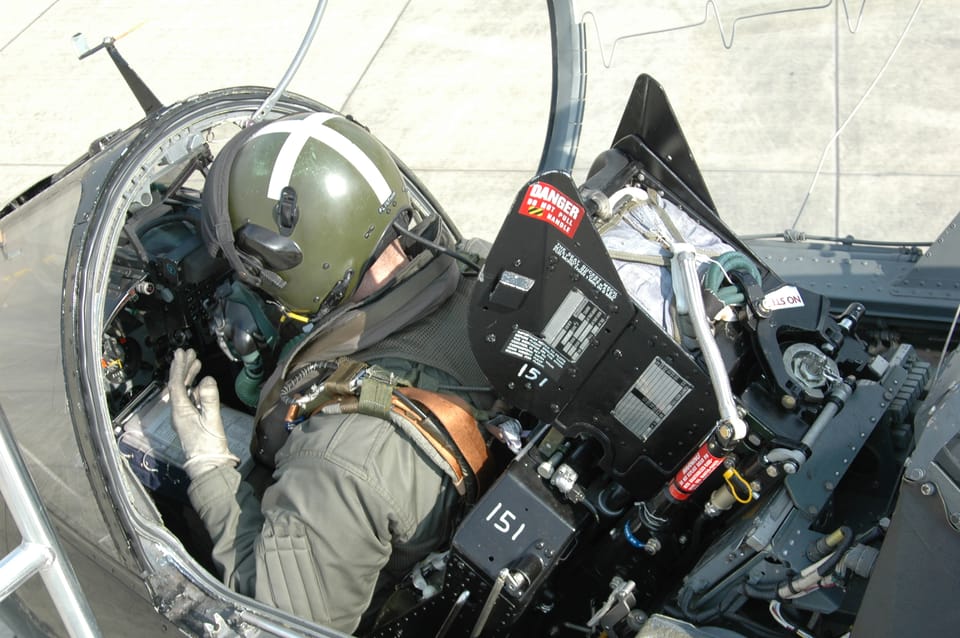
1988 was a bad year for accidents in the RAF… a very bad year…
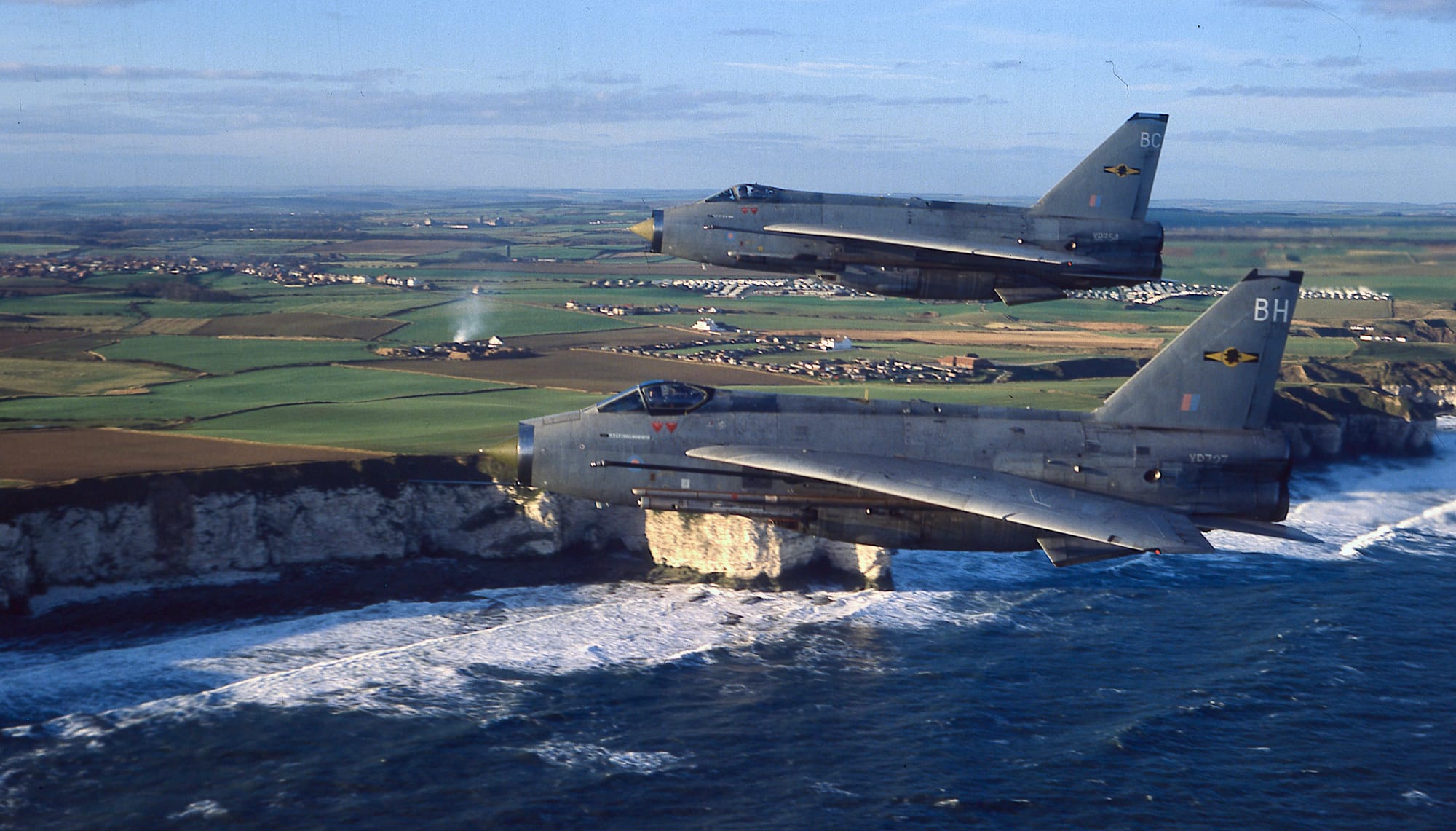
As the year 1988 started, strangely in January, there were now no more last-minute extensions to the Lightning force. No more final reprieves. The graffiti was on the wall. The end was nigh. In an effort to use up all the aircraft’s fatigue life, our Squadron was due to deploy to Germany and spend two weeks fighting with the Harrier boys. Sport of kings. If the weather was bad, we would move from low level flying to upper air work. Air combat. It was January. It was the North German Plain. The weather would be bad. We would be doing combat… and what could possibly go wrong.
We left the UK on the 18th, destination RAF Gütersloh, once home to two Lightning Squadrons, now disbanded, but the tales of derring-do from the RAF Germany boys were the stuff of legends. A decade prior, and Lightnings were kings of the German skies. Their job: low level air defence, the sport of kings on steroids… Imagine being given the world’s most powerful single-seat fighter and given the task of patrolling the skies at 250 feet above ground and 450 MPH. Your job… look out the cockpit and shoot down any fast-moving target that acted hostile. The Lightning F Mk 2A, used exclusively in RAF Germany, was long in the tooth, but its performance outshone anything of the time… until the F-4 Phantom arrived, and then it was outclassed.
Now, for one last time, we would be re-enacting the glory days of Germany Lightnings. Our transit from RAF Binbrook to RAF Gütersloh was quick: 30 minutes from the East Coast to the West German Plain, Cold War bandit country. Flying over the cold North Sea, we donned our exposure suits, quaintly known as goon bags, and it would be good to spend two weeks flying without them. Swapping our goon suits for cold weather flying clothing was not quite watching the Victoria’s Secret catwalk show. RAF cold weather clothing was perhaps the least attractive flying clothing ever produced. I’m sure the Italian Air Force had a one-piece suit, tight-fitting with fur-lined collars. The French wore blue leather jackets and tight-fitting green suits with a zip long enough to cover your modesty. The RAF… well, we wore a drab olive jacket that neither kept you warm nor dry, and then for the ultimate in fashion, the cold weather trousers. A bit like something you would wear at play school, ill-fitting with braces, and again not warm or dry. But at least it wasn’t a gimp suit.
Our adversaries for the duration would be No. 4 Squadron. In a rather childish way they were known as the “Big Noses”, and their sister Squadron, No. 3 Squadron, the “Cement Heads”. They probably had a name for us Lightning pilots, like demi-gods or supermen, but I never found out. RAF Gütersloh boasted two large Squadrons of Harrier GR3s and a Squadron of support helicopters. Harrier pilots were similar to Lightning pilots. In simple terms, they dropped bombs and took pretty pictures. We fired rockets and guns and looked good in pictures.
Our brief for the stay was working with the Harrier pilots, escorting them at low level and acting as fighter aggressors, and if the weather was bad, plan B was to do DACT, an acronym for Dissimilar Air Combat Training. As an air defence pilot, one of your primary tasks was to absorb as much information as possible about your opponents. For example, one of my main chat-up lines was telling girls in fine detail how the MiG-21 Fishbed performed at altitudes below 5,000 feet, as well as technical details of how its radar worked. The technique worked without fail. Most of them were in bed in 30 minutes… fast asleep.